
Master of Science in Neurology
About Course
The Master of Science in Neurology is a specialised postgraduate programme designed for healthcare professionals who want to advance their expertise in the diagnosis, treatment, and management of neurological disorders. This programme focuses on diseases of the brain, spinal cord, and nervous system, preparing students for clinical practice, research, and leadership roles in neurology. Below is an outline of what such a programme typically involves:
Core Curriculum
The core curriculum is designed to provide in-depth knowledge and practical skills in neurology. Core courses might include:
Advanced Neurological Disorders:
Covering complex neurological diseases such as epilepsy, Parkinson’s disease, multiple sclerosis, Alzheimer’s disease, and stroke, with a focus on pathophysiology, diagnosis, and treatment.
Neurodegenerative Diseases:
In-depth study of diseases like ALS (amyotrophic lateral sclerosis), Huntington’s disease, and dementia, focusing on their progression and innovative treatments.
Neuroimaging and Diagnostic Techniques:
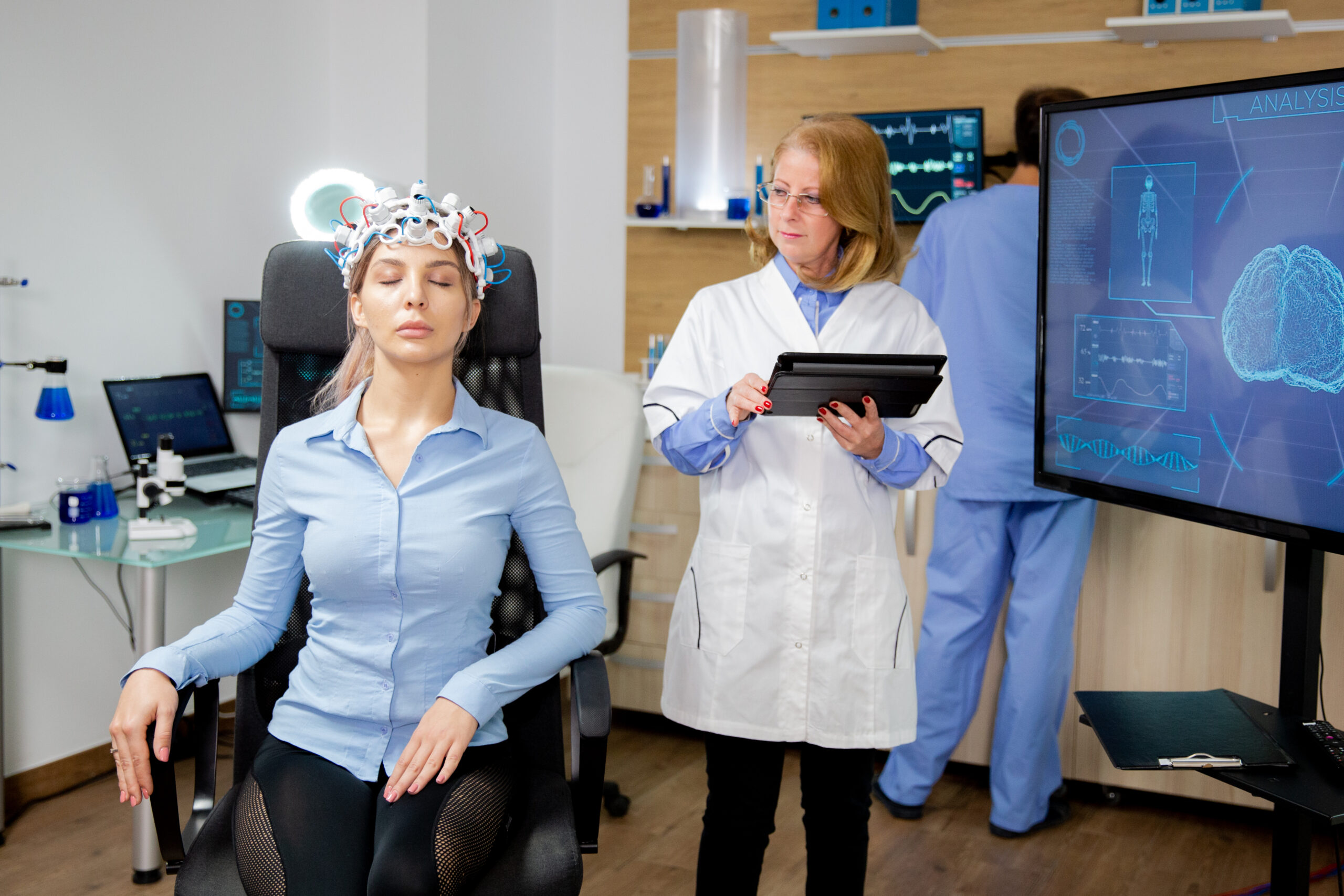
Training in advanced diagnostic tools such as MRI, CT scans, PET scans, EEG, and EMG, with a focus on how these technologies are used to diagnose neurological conditions.
Neuropharmacology:
Understanding the pharmacological management of neurological disorders, including the mechanisms, uses, and side effects of medications used to treat diseases of the nervous system.
Cerebrovascular Diseases:
Study of conditions such as stroke and aneurysms, focusing on their diagnosis, management, and rehabilitation, as well as the role of neuroimaging in stroke care.
Neurosurgery and Neurointervention:
Introduction to neurosurgical procedures and interventional neurology techniques used in treating conditions like tumours, trauma, and vascular disorders.
Paediatric Neurology:
Addressing neurological disorders in infants and children, such as cerebral palsy, epilepsy, and neurodevelopmental disorders, and focusing on treatment, development, and long-term care strategies.
Neuro-Oncology:
Understanding brain and spinal cord tumours, including gliomas and meningiomas, and learning about the latest treatments like surgery, radiation therapy, and chemotherapy.
Objectives of the Program
The programme aims to:
- Provide comprehensive clinical and theoretical knowledge in neurology.
- Develop expertise in diagnosing and treating a broad spectrum of neurological diseases.
- Promote evidence-based practices and cutting-edge treatments in neuromedicine.
- Strengthen skills in research methodologies to contribute to advancements in neurology.
- Foster ethical and professional standards in neurology practice.
Career Opportunities
Graduates of this programme can pursue careers as:
Neurology Specialists:
Working in hospitals, clinics, or private practices, specialising in the treatment and management of neurological disorders.
Consultants:
Providing specialised advice and guidance on the management of complex neurological cases, such as neurodegenerative diseases or stroke.
Neuroscientists and Researchers:
Contributing to academic and clinical research in neuromedicine, focusing on neurological disease mechanisms, treatments, and innovations in the field.
Neurorehabilitation Specialists:
Working with patients recovering from neurological events, such as stroke or traumatic brain injuries, to regain function and improve their quality of life.
Further Training and Certification
Upon completion, graduates are eligible to sit for certification exams offered by national or international neurology boards, which can enhance their professional qualifications and career advancement.
This Master of Science in Neurology programme is essential for those aiming to specialise in the treatment and research of neurological diseases, providing the tools and knowledge needed to advance patient care and contribute to the scientific understanding of the nervous system.
Course Duration: 2 years
Note: However, if required, the course duration may be increased to meet additional learning needs.
