
Master of Science in Haematology
About Course
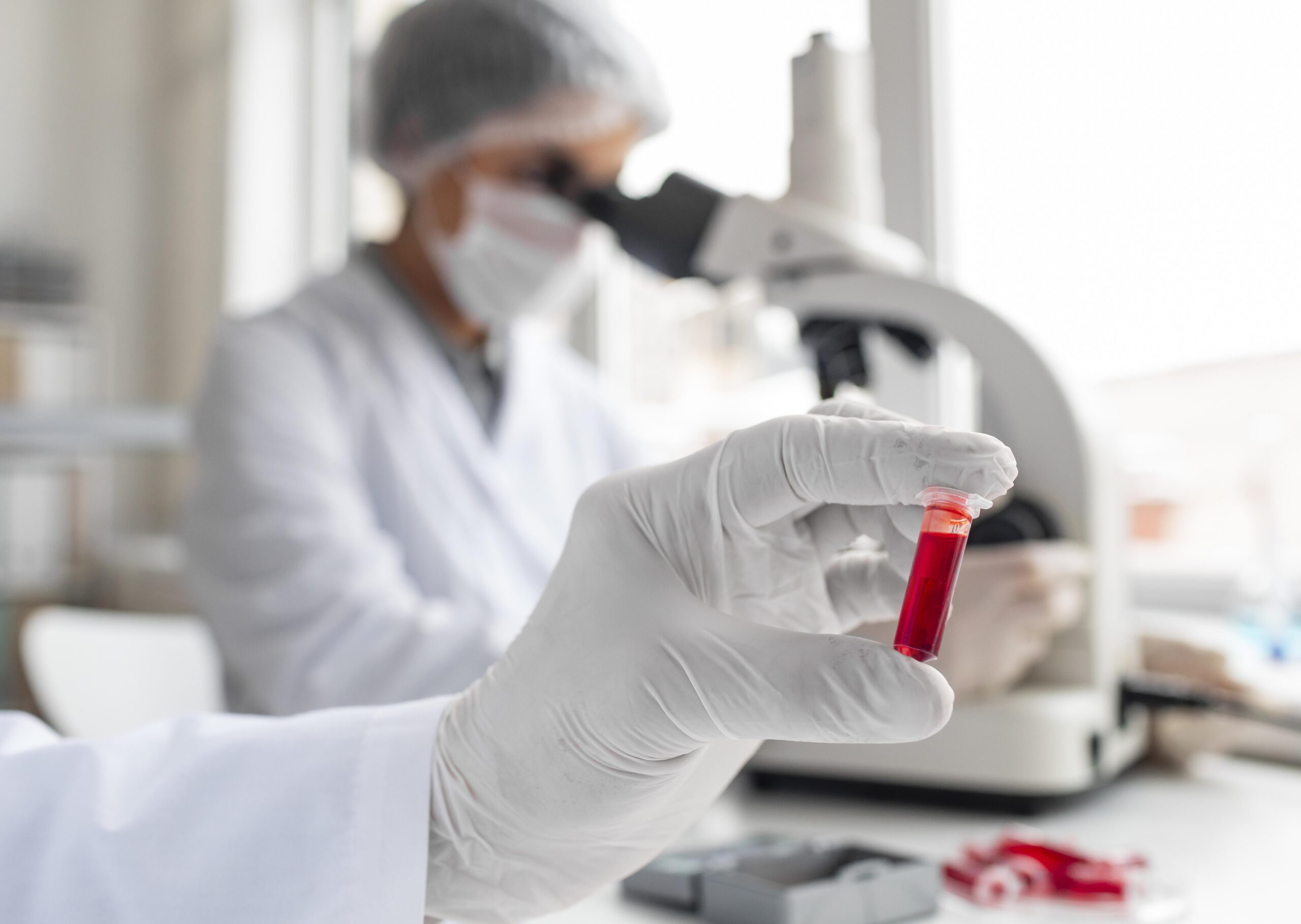
The MSc in Haematology is an advanced postgraduate programme designed to provide a comprehensive understanding of blood disorders, laboratory haematology, transfusion science, and clinical haematological practice. The programme equips students with the scientific knowledge, diagnostic skills, and research capability required to manage conditions affecting blood, bone marrow, and the lymphatic system.
Students develop expertise in haematological malignancies, anaemias, coagulation disorders, transfusion medicine, and modern laboratory technologies. With a focus on evidence-based practice and clinical–laboratory integration, the degree prepares graduates for senior roles across healthcare, research, and specialist diagnostic settings.
Programme Objectives
The MSc in Haematology aims to:
- Provide in-depth knowledge of normal haematopoiesis and the pathophysiology of blood disorders.
- Develop advanced diagnostic skills in haematology laboratories, including microscopy, flow cytometry, molecular testing, and automated haematological analysis.
- Strengthen understanding of clinical haematology, including anaemias, haemoglobinopathies, leukaemias, lymphomas, and coagulation conditions.
- Equip students with specialist knowledge in transfusion science and blood safety.
- Enhance research capability through training in scientific methodology, statistics, and critical appraisal.
- Promote high standards of ethical practice and patient-centred care within the field of haematology.
- Prepare graduates for leadership roles in clinical laboratories, transfusion services, and academic institutions.
Career Opportunities
Graduates of the MSc in Haematology are well positioned for roles such as:
Clinical & Laboratory Roles
- Clinical Haematologist (with further medical training)
- Biomedical Scientist (Haematology or Transfusion Science)
- Haematology Laboratory Manager
- Transfusion Practitioner
- Specialist in Coagulation or Haemoglobinopathies
- Blood Donation and Safety Officer
Research & Academic Roles
- Research Scientist in Haematology, Oncology, or Immunology
- Clinical Trials Coordinator (Haematology/Oncology)
- University Lecturer or Clinical Educator
- Laboratory Research Associate
Healthcare & Public Sector Roles
- NHS Specialist Practitioner
- Public Health Advisor (Blood Safety Programmes)
- Policy and Governance Roles in Blood Services
Further Training and Certification
Graduates may pursue:
- Fellowship programmes in Clinical Haematology
- Advanced training in Transfusion Science (IBMS Specialist Portfolio)
- HCPC registration (for biomedical science pathways)
- Professional certification in Flow Cytometry, Molecular Diagnostics, or Coagulation Studies
- PhD in Haematology, Oncology, Molecular Biology, or Immunology
- Specialised training in Stem Cell Transplantation or Cellular Therapies
Course duration: 2 years
Note: However, if required, the course duration may be increased to meet additional learning needs.
